This is an old revision of the document!
Vehicles
There are five main types of vehicles with various propulsion systems available in the game: rail vehicles, road vehicles, trams, ships and planes. In Transport Fever 2, vehicles can haul different types of cargo or transport passengers and need different media to travel.
| Vehicle Type | Can Transport | Media |
|---|---|---|
| Steam or Diesel Train | Passengers and/or cargo | Railroad Tracks |
| Electric Train | Passengers and/or cargo | Electrified Railroad Tracks |
| Bus | Passengers | Streets |
| Truck | Cargo | Streets |
| Horse or Steam Tram | Passengers | Streets with Tram Tracks |
| Electric Tram | Passengers | Streets with Electrified Tram Tracks |
| Ship | Passengers or cargo | Navigable Waters |
| Plane | Passengers or cargo | Air |
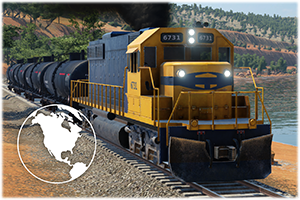
New vehicles are introduced over time, for example electric trams are available starting in the 1910s and planes in the 1920s. When vehicles get outdated, they will no longer be available for purchase. Therefore, only a portion of all vehicles in the game is available at any time. Land vehicles differ by region, so there are other vehicles in the asian setting as in the european or american setting.
For a complete list of vehicles please refer to the excellent vehicle lists provided by our community:


All vehicles have certain properties in common:
- Build date: The date or date range when the vehicle is available
- Top speed: The maximum speed the vehicle can travel at
- Capacity: The number of passengers or cargo units that can be transported
- Weight: The weight of the vehicle (without load)
- Running costs: The yearly running cost - increase with maintenance level
- Lifespan: The maximum recommended lifespan, after which the vehicle should be replaced
- Emissions: The negative effect on residential areas at top speed
Trains

Trains are used for transporting passengers and hauling cargo on train tracks or electrified train tracks (depending on the propulsion used). They are a composition of a locomotive and wagons. The locomotive provides propulsion, while the wagons carry the cargo. There are a few exceptions, where no wagons are needed, for example the “Rail bus”, which is a diesel-propelled single unit carrying passengers. When composing a train, it is advised to use locomotives and wagons with a similar top speed. The vehicle with the lowest top speed will determine the top speed of the whole train.
No matter how a train is composed, it can stop at passenger and cargo train stations. However, passengers can only board at passenger stations and cargo can only be loaded at cargo stations.
Locomotives
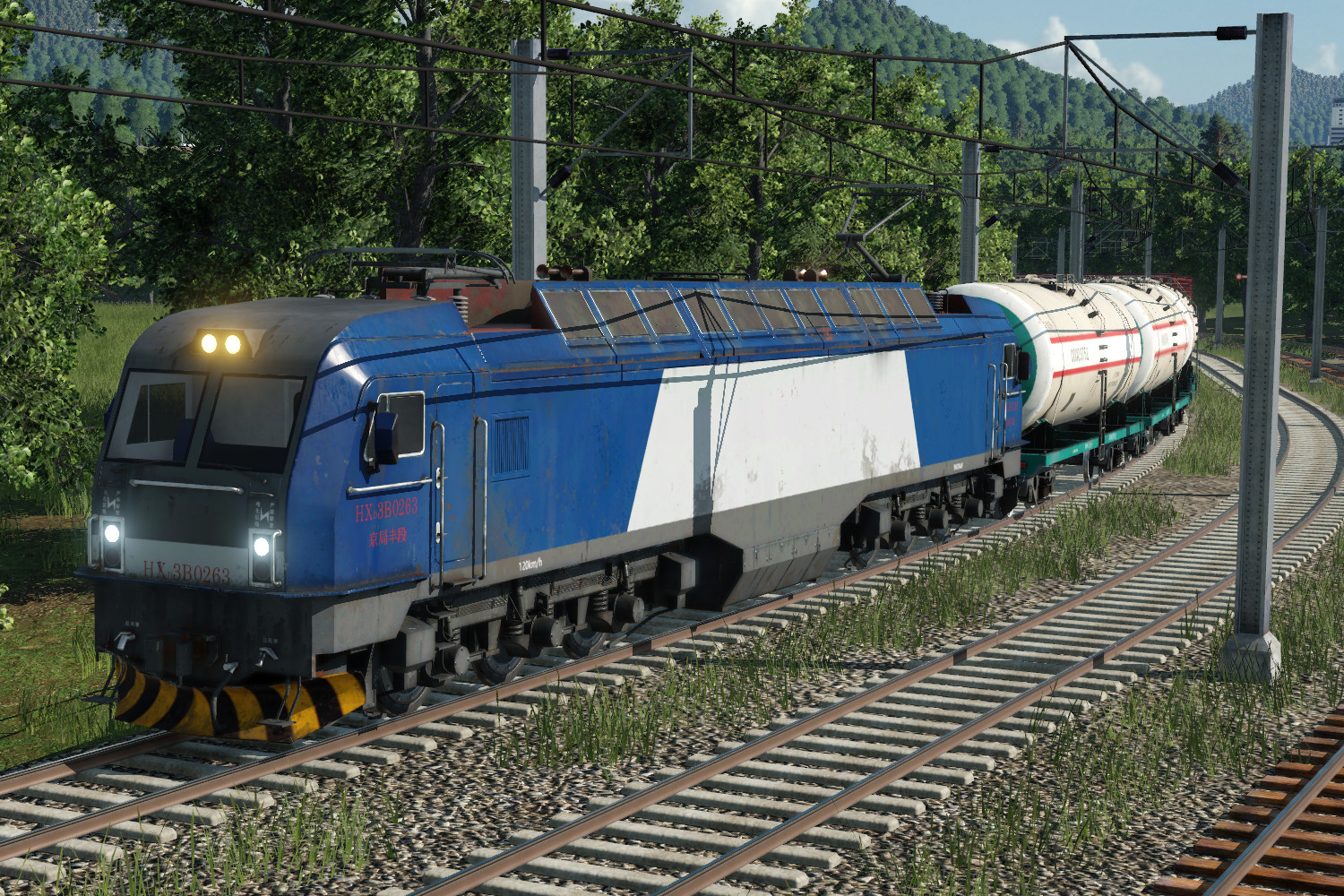
Locomotives are divided by their propulsion (steam, fuel, electric). Additional properties beside the common properties are:
- Power: Maximum available power
- Tractive effort: Maximum available force at low speeds
High power is needed to drive fast or carry weight, high tractive effort to set the train in motion or accelerate at low speeds. As a rule of thumb, cargo locomotives have a ratio favoring tractive effort and passenger or high-speed locomotives favoring power. It is possible to link multiple locomotives together to increase the power of a train.
Wagons
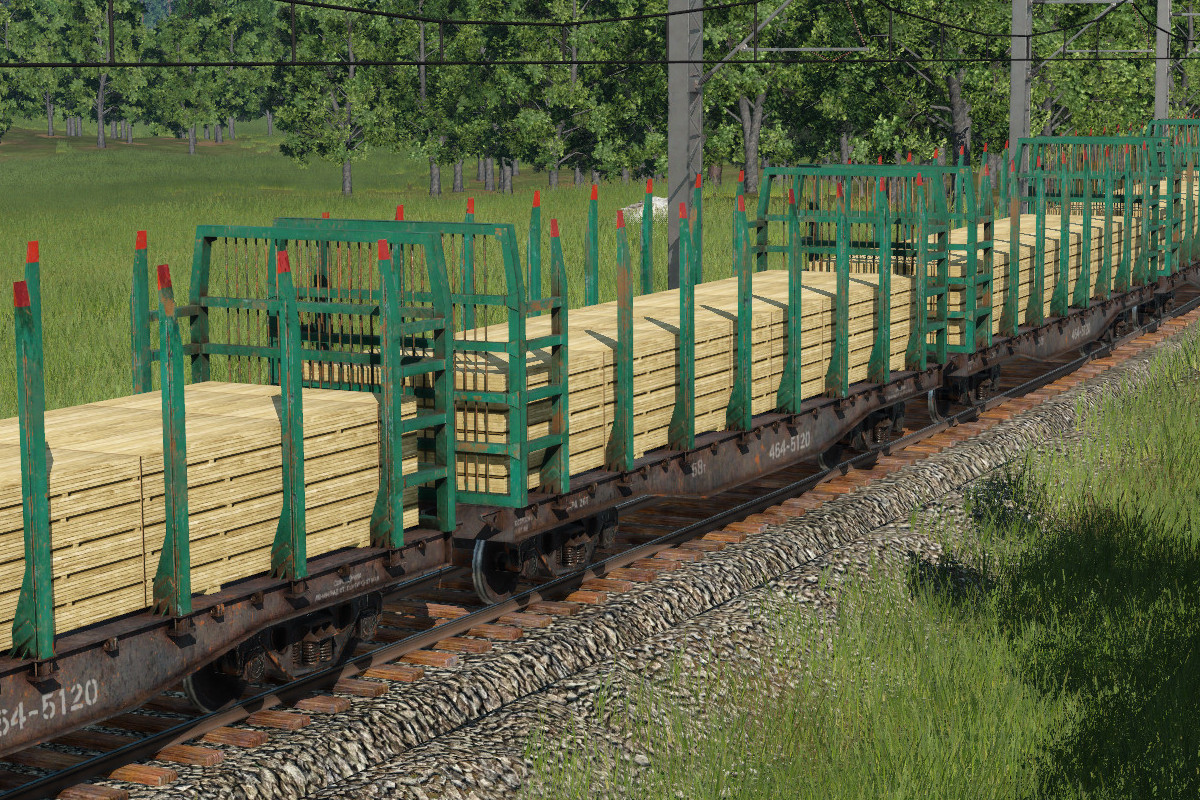
Wagons are divided by cargo type (bulk, fuel, general, passengers). Passenger wagons can only transport passengers, whereas cargo wagons support various or all cargo types and are refitted at a station if needed. Note that a wagon can only be refitted within its cargo type. For example, an open wagon can only carry coal, iron ore, stone, grain, or slag.
It is possible to link any type of wagon together. Although usually not recommended, it is also possible to transport passengers and carry cargo at the same time.
Busses
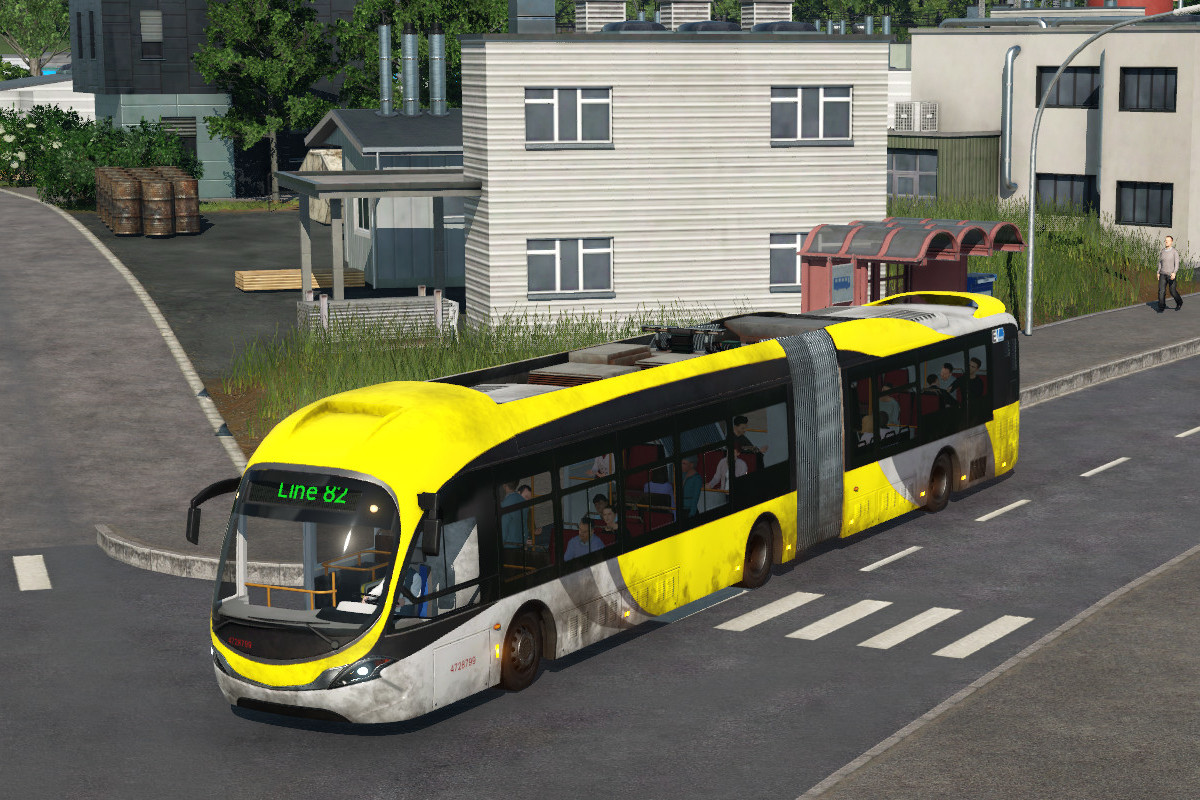
Busses are used for transporting passengers only and drive on streets and roads. Passengers use bus stops or tram stops to get on and off buses. Additional properties beside the common properties are:
- Power: Maximum available power
Power determines how fast a bus can accelerate and which top speed it can reach. By using dedicated bus lanes, it is possible to accelerate them because they are more independent of individual transport.
| Name | Availability | Power | Top Speed | Weight | Capacity | Load Speed | |
|---|---|---|---|---|---|---|---|
| Droshky | 1892 - 1915 | 4 | 17 | 1 | 4 | 2 |  |
| Stagecoach | 1896 - 1925 | 8 | 20 | 1 | 6 | 3 |  |
| L'Obéissante | 1905 - 1935 | 15 | 25 | 2 | 6 | 2 |  |
| Postbus ET 13 | 1913 - 1945 | 20 | 30 | 4 | 8 | 2.5 |  |
| Daimler Deck Seat Car | 1919 - 1965 | 35 | 35 | 5 | 12 | 1.5 | 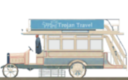 |
| Yellow Coach Model W | 1925 - 1970 | 67 | 40 | 8 | 10 | 2 | 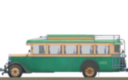 |
| Mitsubishi Fuso B46 | 1932 - 1975 | 80 | 50 | 10 | 8 | 3 |  |
| Saurer Tüscher | 1939 - 1975 | 80 | 50 | 8 | 10 | 2 |  |
| Scania-Vabis H15 | 1945 - 1990 | 132 | 50 | 11 | 13 | 3 | 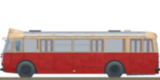 |
| AEC Routemaster | 1954 - 2000 | 86 | 60 | 7.5 | 25 | 4 |  |
| Citroën U55 Cityrama | 1956 - 1980 | 63 | 50 | 7.5 | 15 | 3 | 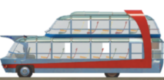 |
| GM New Look Fishbowl | 1959 - 2005 | 160 | 70 | 8 | 10 | 4 |  |
| Isuzu BU10P | 1963 - 2010 | 120 | 60 | 10 | 15 | 1.5 |  |
| Shinjin Microbus | from 1970 | 100 | 65 | 12 | 15 | 2.5 | 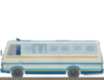 |
| Mercedes-Benz O303 | 1974 - 2010 | 213 | 90 | 15 | 15 | 3 |  |
| Beijing BK670 | 1976 - 2010 | 210 | 70 | 16 | 20 | 2 |  |
| Mercedes-Benz O405 G | 1985 - 2020 | 184 | 80 | 15 | 24 | 4 | 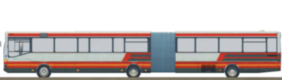 |
| New Flyer D40 | from 1990 | 190 | 90 | 12 | 17 | 2.5 |  |
| Mercedes-Benz Citaro G1 | from 1997 | 220 | 80 | 15 | 28 | 5 |  |
| Irisbus Crossway LE | from 2007 | 243 | 120 | 15 | 20 | 3 |  |
| Wright StreetCar | from 2008 | 220 | 70 | 22 | 28 | 4 | 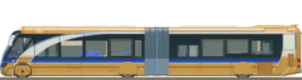 |
| Zuhai GTQ | from 2017 | 160 | 60 | 17 | 30 | 4.5 |  |
| Mercedes-Benz eCitaro | from 2019 | 150 | 70 | 14 | 20 | 2.5 |  |
| Rampini Eltron | from 2025 | 210 | 80 | 12 | 12 | 3 |  |
| King Long Merry Combo | from 2029 | 480 | 120 | 18 | 22 | 2.5 | 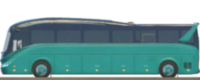 |
Trucks
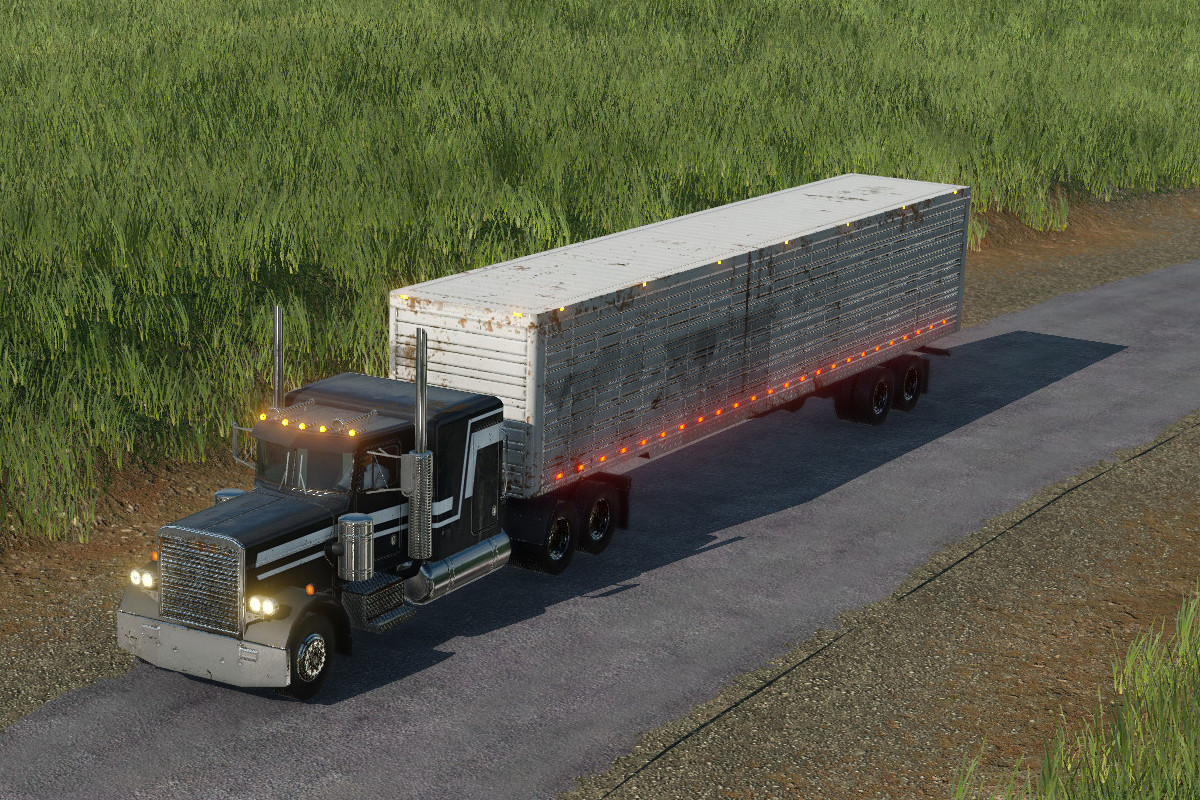
Trucks are used for transporting cargo only and drive on streets and roads. Trucks can carry multiple types of cargo, but only one type of cargo at a time. They are refitted at a station if needed. Cargo can be loaded and unloaded at cargo terminals. Bus or tram stops can also be used to unload cargo. Additional properties beside the common properties are:
- Power: Maximum available power
Power determines how fast a truck can accelerate and which top speed it can reach. Slow moving (or older) trucks and busses can be overtaken by faster moving vehicles if the road layout allows them to do so.
Trams

Trams are used for transporting passengers only and drive on streets with tram tracks or electrified tram tracks (depending on the propulsion). Passengers use tram stops to get on and off trams. Bus stops automatically get converted to tram stops when the street or station is upgraded with tram tracks. Additional properties beside the common properties are:
- Power: Maximum available power
- Tractive effort: Maximum available force at low speeds
High power is needed to drive fast or carry weight, high tractive effort to set the tram in motion or accelerate at low speeds.
Ships
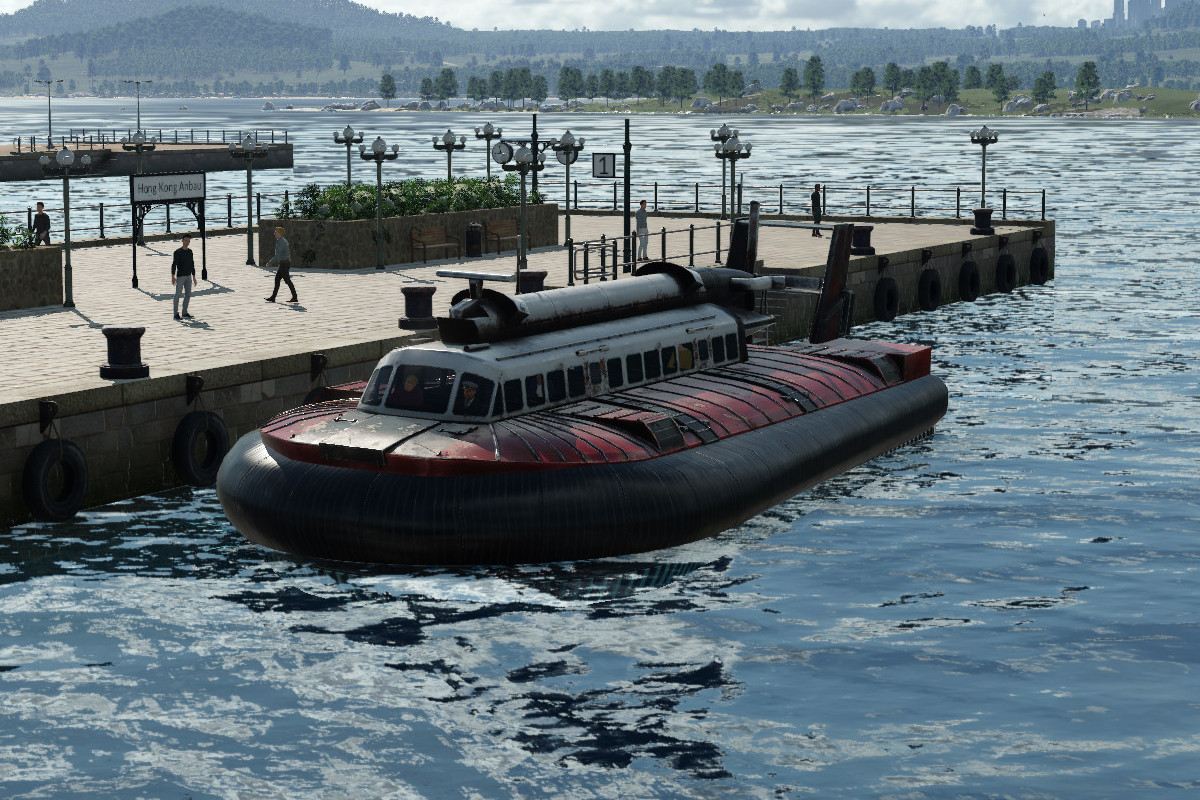
Ships are used for transporting passengers or hauling cargo on navigable water. Ships can carry multiple types of cargo, some are limited to one type of cargo at a time. They are refitted at a station if needed. Cargo can be loaded and unloaded at cargo harbors only. Additional properties beside the common properties are:
- Power: Maximum available power
Power determines how fast a ship can accelerate and which top speed it can reach. Although not exposed in the games UI, the ships shape is considered to calculate water resistance.
Large ships can only stop at large docks.
Planes

Planes are used for transporting passengers or cargo and use airports for take-off and landing. Passengers and cargo can only board and disembark at airports. Additional properties beside the common properties are:
- Thrust: Maximum available thrust
Thrust determines how fast a plane can accelerate and which top speed it can reach. Although not exposed in the games UI, the plane’s wing span and wing area is considered to calculate air resistance and lift.
Some larger airplanes require the large airport whereas smaller ones are compatible to the smaller airfield too.